Strengthening Learnings and Partnerships for Social Cohesion along the Thailand-Myanmar Borders
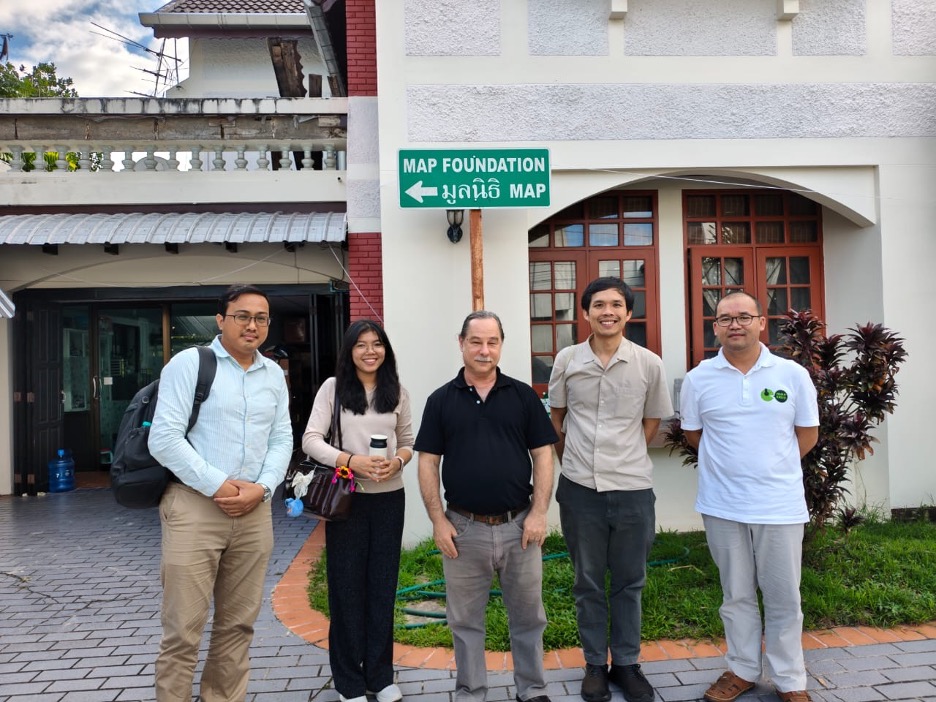
FCA Thailand and FCA Myanmar staff met with MAP Foundation working on migrant rightsprotection in Chiang Mai (November 2025)
From 21 November to 1 December 2025, FCA Thailand and FCA Myanmar Country Offices conducted a cross-border learning and partnership mission in Chiang Mai, Mae Hong Son, and Mae Sot to strengthen support for “youth on the move” from Myanmar. The visit aimed to deepen understanding of ongoing programs and best practices, strengthen collaboration with key actors working on migration, education, youth development, and protection, and explore practical coordination opportunities around Technical and Vocational Education and Training (TVET), safe migration, and youth empowerment. Across the three locations, the teams met with 20 organizations—including non-governmental organizations (NGOs) and International NGOs providing direct services to migrants, refugees and youth; advocacy organizations engaging Thai authorities on rights-based policy; vocational training providers offering scholarship and skill development programs; and youth-led groups shaping peer support and community action.
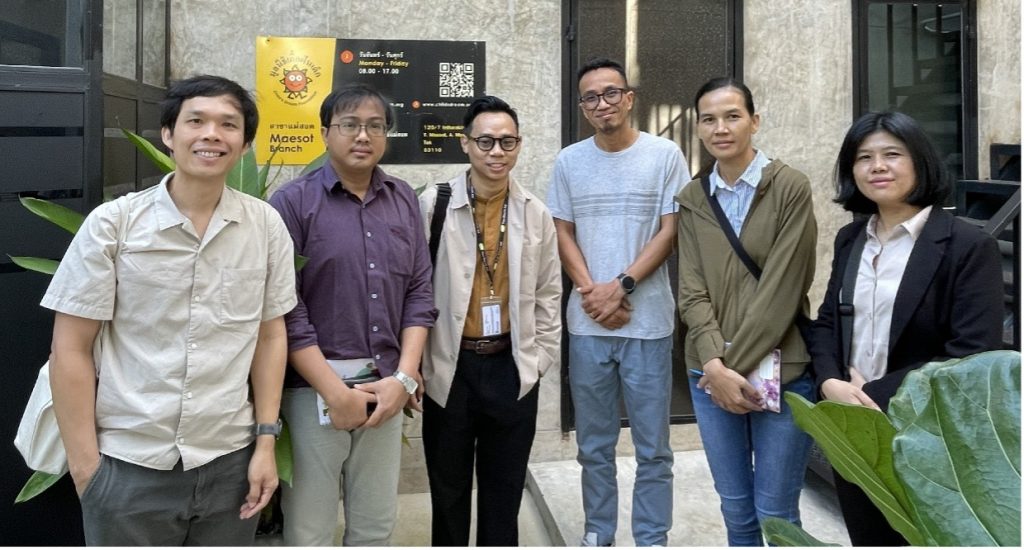
FCA Thailand and FCA Myanmar staff met with Child’s Dream Foundation working on education and skills development for Myanmar youth in Mae Sot (December 2025).
The mission took place against a rapidly evolving operational context. Since the political instability in Myanmar, displacement and youth migration to Thailand have surged. Youth seek safety and livelihoods, but face persistent structural barriers that restrict education access, services and lawful work. Many rely on informal routes and unregulated brokers, increasing exposure to scams, trafficking, debt, and enforcement risks.
Across stakeholder discussions, Thai language emerged as the strongest multiplier for safer work and integration, while education pathways remain fragile and often fragmented. Despite strong youth motivation, skills mismatch is structural, driven by legal restrictions, weak job matching, and limited employer engagement. The visit reinforced that coordination is now essential: integrating referrals, bundling work-readiness and protection support, and strengthening youth-led collective action can strengthen social cohesion and prevent young people fromlegal, security and economic risks.